Nigeria-UK Relations Evolve: Key Takeaways from Tinubu's State Visit
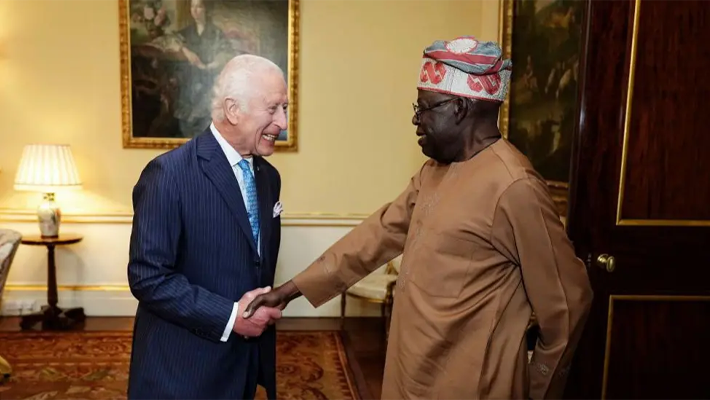
President Bola Ahmed Tinubu's recent state visit to the United Kingdom marked a pivotal moment in the enduring relationship between Nigeria and the UK. Far more than a ceremonial exchange, this high-profile engagement served as a powerful testament to the deepening diplomatic, economic, and cultural ties between the two commonwealth nations. From the historic reception at Windsor Castle to strategic discussions on trade and security, the Tinubu UK state visit has set a new trajectory for bilateral cooperation.
Arriving with First Lady Senator Oluremi Tinubu, President Tinubu's itinerary, which formally commenced on March 18th, underlined Nigeria's significance on the global stage and the UK's commitment to fostering a robust partnership. This article delves into the key aspects of the visit, exploring its historical context, economic implications, and the multifaceted future of Nigeria-UK relations.
A Historic Reception: Symbolism at Windsor Castle
One of the most defining features of President Tinubu's visit was the unprecedented honour of being hosted by King Charles III at Windsor Castle. This particular aspect of the Tinubu UK state visit carries profound symbolism, reflecting a deliberate shift in the presentation of Nigeria-UK relations.
Historically, Nigerian leaders on state visits to the UK, such as Abubakar Tafawa Balewa, Yakubu Gowon, Shehu Shagari, and Ibrahim Babangida, were typically hosted at Buckingham Palace. President Tinubu now holds the unique distinction of being the fifth Nigerian leader to receive this esteemed honour from the British Crown, and notably, the first to be welcomed at the iconic Windsor Castle. This departure from tradition, as noted by presidential aide Temitope Ajayi, signifies an evolution in the relationship – moving beyond mere historical ties to a more contemporary, forward-looking partnership. Read more about Tinubu's historic reception at Windsor and previous Nigerian leaders honoured by the UK.
Nigeria's distinction as the only African country whose leader has been hosted five times on a state visit underscores the strategic importance both nations place on this bilateral bond. The choice of Windsor Castle, a residence steeped in royal history, further accentuates the depth of the mutual respect and the strategic value placed on Nigeria by the UK. It signals a relationship characterized by evolving diplomacy, where shared interests and future collaborations are taking precedence over historical formalities.
Deepening Economic Bonds: The £8 Billion Partnership and Beyond
Economic cooperation has always been a cornerstone of Nigeria-UK relations, and the Tinubu UK state visit served to significantly bolster this crucial pillar. With an estimated annual bilateral trade volume of approximately £8 billion, Nigeria stands as the UK's second-largest trading partner in Africa, a testament to the robust commercial exchanges between the two nations.
A key outcome highlighted during the visit was the strengthening of economic ties through the UK–Nigeria Enhanced Trade and Investment Partnership, initially signed in 2024. This comprehensive framework is meticulously designed to:
- Boost Bilateral Trade: Aiming to surpass current levels by identifying and leveraging new opportunities.
- Remove Barriers to Commerce: Streamlining processes and policies to facilitate easier trade and investment flows.
- Expand Cooperation Across Key Sectors: This includes vital areas such as:
- Agriculture: Enhancing food security and promoting sustainable practices.
- Technology: Fostering innovation, digital transformation, and tech skills transfer.
- Renewable Energy: Collaborating on green initiatives and sustainable power solutions.
- Fintech: Capitalizing on Nigeria's burgeoning financial technology landscape.
- Manufacturing and Retail: Encouraging local production and expanding market access.
- Creative Economy: Unlocking the potential of Nigeria's vibrant film, music, and art industries.
- Promote Job Creation: Through increased private sector investment in Nigeria.
- Support Nigeria's Economic Reform Agenda: Aligning with President Tinubu's administration's commitment to fiscal stability and growth.
For UK investors, Nigeria presents a vast, youthful market with immense potential across various sectors. The enhanced partnership offers a clearer roadmap and a more secure environment for foreign direct investment. Conversely, Nigerian businesses stand to gain from increased access to UK markets, advanced technologies, and expertise, particularly in sectors like renewable energy and fintech where the UK is a global leader. This strategic economic alignment is crucial for Nigeria's ambitious development goals, promising not just financial growth but also the transfer of skills and innovation. Discover more about how Tinubu's UK state visit is driving trade and investment growth.
Strategic Alliances: Security, Culture, and Education
Beyond economics, the Tinubu UK state visit reinforced the broader strategic alliances that underpin Nigeria-UK relations. Since Nigeria gained independence in 1960, diplomatic ties have consistently expanded, encompassing a wide array of sectors vital for mutual growth and global stability.
Robust Security Collaboration
Security cooperation remains a critical pillar of the partnership. Both nations acknowledge the shared threats posed by global terrorism and regional instability. The UK has consistently supported Nigeria in crucial areas:
- Counter-terrorism Training: Equipping Nigerian forces with advanced skills to combat extremist groups.
- Intelligence Collaboration: Sharing vital information to pre-empt threats and enhance security operations.
- Military Capacity Building: Providing training, equipment, and strategic advice to strengthen Nigeria's defense capabilities.
This collaboration is not just about defending national borders; it's about fostering regional stability, which has ripple effects on international peace and commerce. For Nigeria, enhanced security partnerships are crucial for attracting investment and ensuring a safe environment for its citizens and businesses.
Cultural Exchange and Educational Ties
The relationship extends deeply into cultural and educational realms. Nigeria's large diaspora in the UK, alongside the significant number of Nigerian students pursuing higher education in British institutions, forms a powerful human bridge between the two nations. Cooperation areas include:
- Education: Promoting academic exchanges, research collaborations, and scholarships. This benefits both countries by fostering intellectual growth and cultural understanding. For Nigerian students, UK universities offer world-class education and diverse learning environments.
- Sports and Culture: Facilitating exchanges in sports, arts, and creative industries. Nigeria's vibrant creative economy, including Nollywood, music, and fashion, offers immense potential for global partnerships and investment. Events and collaborations in these sectors not only promote cultural understanding but also open new avenues for economic growth and soft power projection.
These multifaceted collaborations highlight a relationship that is both deep-rooted and dynamic, continuously adapting to global challenges and opportunities.
Navigating the Future: Opportunities and Challenges for Nigeria-UK Relations
The Tinubu UK state visit has laid a strong foundation for the future, but realizing the full potential of this evolving relationship requires sustained effort and strategic foresight. The opportunities are vast, yet they come with their own set of challenges.
Opportunities for Growth and Partnership
- Increased Foreign Direct Investment (FDI): With Nigeria's economic reforms and the UK's commitment to boosting trade, there's a significant chance for increased British investment in Nigeria's key sectors, driving job creation and infrastructure development.
- Technology Transfer and Innovation: The UK's advanced technological landscape offers Nigeria invaluable opportunities for knowledge and skill transfer, particularly in digital transformation, AI, and green technologies.
- Skilled Migration and Talent Exchange: Exploring pathways for skilled Nigerians to contribute to the UK economy while also encouraging reverse brain drain and knowledge transfer back to Nigeria.
- Collaborative Solutions to Global Challenges: Working together on climate change, health security, and sustainable development goals, leveraging shared expertise and resources.
Addressing Potential Challenges
For Nigeria to fully capitalize on these opportunities, it must address persistent challenges:
- Improving Ease of Doing Business: Streamlining bureaucratic processes, ensuring policy consistency, and strengthening regulatory frameworks are crucial to attract and retain UK investors.
- Enhancing Security: While UK cooperation helps, Nigeria must continue to improve internal security to foster a stable environment conducive to investment and tourism.
- Infrastructure Development: Adequate power, transportation, and digital infrastructure are essential to support expanded trade and industrial growth.
Practical Advice for Stakeholders:
- For Nigerian Businesses: Look for opportunities within the Enhanced Trade and Investment Partnership, focus on meeting international standards, and explore partnerships with UK counterparts. Leverage platforms that facilitate cross-border trade and investment.
- For UK Investors: Engage with Nigeria's ongoing economic reforms, conduct thorough due diligence, and consider long-term strategic investments in identified growth sectors like renewable energy and fintech. Building local partnerships can be highly beneficial.
- For Policymakers: Maintain consistent dialogue, ensure transparent implementation of agreements, and prioritize creating a stable and predictable business environment.
Conclusion
President Bola Tinubu's state visit to the United Kingdom was more than a diplomatic courtesy; it was a strategic recalibration of a vital bilateral relationship. From the symbolic significance of Windsor Castle to the tangible commitments enshrined in economic and security partnerships, the Tinubu UK state visit has undeniably ushered in a new chapter for Nigeria-UK relations. It underscores a mutual desire to deepen cooperation across diverse sectors, fostering economic prosperity, enhancing security, and promoting cultural understanding. As both nations look to the future, the foundation laid during this visit promises a dynamic and mutually beneficial partnership poised for significant growth and impact on the global stage.