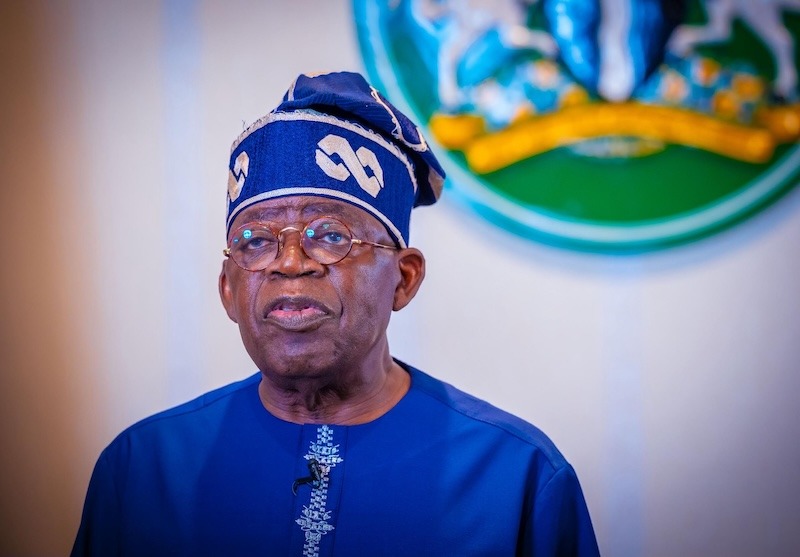
Tinubu Makes History at Windsor: Fifth Nigerian Leader Honored by UK
President Bola Ahmed Tinubu's recent state visit to the United Kingdom marked a pivotal moment in the enduring relationship between Nigeria and the UK, elevating diplomatic ties to new historical heights. Arriving on Wednesday, March 17, 2026, alongside First Lady Oluremi Tinubu, the Nigerian delegation embarked on a two-day itinerary culminating in a prestigious reception by Their Majesties King Charles III and Queen Camilla at the iconic Windsor Castle. This particular **tinubu uk state visit** was not just another diplomatic engagement; it was a deeply symbolic and strategically significant event, underlining Nigeria's prominent position on the global stage and its robust partnership with one of the world's leading economies.
The visit, eagerly anticipated by both nations, aimed to fortify existing diplomatic, economic, and cultural bonds. As disclosed by Presidential Spokesman Bayo Onanuga and earlier by Temitope Ajayi, Senior Special Assistant to the President on Media and Publicity, the occasion served as a powerful testament to the unique and evolving relationship between these two Commonwealth nations.
A Royal Welcome at Windsor: A Historic First
A highlight of this particular **tinubu uk state visit** was President Tinubu's reception at Windsor Castle. While Nigeria has a distinguished history of its leaders being accorded the high honour of a state visit by the British Crown, President Tinubu became the *first* Nigerian leader to be hosted at Windsor Castle. Previous Nigerian leaders who received this esteemed honour – including Abubakar Tafawa Balewa, Yakubu Gowon, Shehu Shagari, and Ibrahim Babangida – were traditionally hosted at Buckingham Palace. This shift in venue, while perhaps practical due to factors like royal residency or ongoing renovations at Buckingham Palace, also carries a fresh symbolic weight. It signifies a new chapter, perhaps a more modern or even intimate tone, in the relationship under the reign of King Charles III.
The meticulous arrangements, from President Tinubu's arrival at London Stansted Airport to his reception by dignitaries like Mark Bevan, Deputy Lieutenant of Essex, and Ambassador Mohammed Maidugu, Nigeria's acting High Commissioner to the UK, underscored the gravity and mutual respect accorded to this visit. Being the fifth Nigerian leader to receive such an honour further cements Nigeria's unique standing. Notably, Nigeria remains the *only* African country whose leader has been hosted on a state visit by the British government five times, a clear indicator of the depth and longevity of this crucial bilateral relationship. This repeated highest-level diplomatic engagement reflects shared historical ties that have gracefully matured into a partnership defined by deeper diplomatic and economic cooperation.
Deepening Diplomatic Ties: A Legacy of Collaboration
The relationship between Nigeria and the United Kingdom stretches back decades, rooted in Nigeria's colonial past and strengthened since its independence in 1960. Far from being confined to historical memory, this bond has continuously evolved, expanding across a multitude of sectors vital to both nations' progress. Education, defence, technology, sports, and culture have all served as fertile grounds for collaboration.
A cornerstone of this enduring partnership has been robust security collaboration. In an increasingly complex global landscape, both nations recognize the imperative of shared security interests. The UK has been a steadfast ally in supporting Nigeria's efforts, particularly in crucial areas such as counter-terrorism training, intelligence collaboration, and military capacity building. This support is not merely altruistic; a stable and secure Nigeria contributes significantly to regional and global security, aligning with the UK's broader strategic interests.
Moreover, the extensive Nigerian diaspora in the UK acts as a vibrant cultural and economic bridge, contributing significantly to both societies. Their presence fosters stronger people-to-people connections, facilitating cultural exchange and mutual understanding that goes beyond formal diplomatic channels. Such a **tinubu uk state visit** serves to acknowledge and reinforce these invaluable connections, assuring diasporan communities of their importance in the bilateral framework. For a comprehensive understanding of the evolving diplomatic landscape, explore
Nigeria-UK Relations Evolve: Key Takeaways from Tinubu's State Visit.
Economic Powerhouse: Charting a Future of Shared Prosperity
Beyond ceremonial pomp, the **tinubu uk state visit** carried immense economic significance. Nigeria stands as the UK's second-largest trading partner in Africa, with annual bilateral trade currently estimated at an impressive £8 billion. This substantial figure underscores the robust commercial interchange and vast potential that both nations recognize.
Further solidifying these economic ties, the UK–Nigeria Enhanced Trade and Investment Partnership (ETIP), signed in 2024, provides a strategic framework designed to propel bilateral trade beyond current levels. The ETIP is a comprehensive blueprint aimed at removing barriers to commerce and significantly expanding cooperation across diverse and high-growth sectors. These include:
* **Agriculture:** Boosting food security and export potential through investment in modern farming techniques and supply chain infrastructure.
* **Technology & Fintech:** Leveraging Nigeria's youthful, tech-savvy population and burgeoning startup scene with UK's expertise in digital innovation and financial technology.
* **Renewable Energy:** Collaborating on sustainable energy solutions to meet Nigeria's growing power demands and contribute to global climate goals.
* **Manufacturing & Retail:** Encouraging investment in local production and enhancing consumer markets.
* **Creative Economy:** Capitalizing on Nigeria's rich cultural output, including Nollywood, music, and fashion, which hold significant international appeal.
This partnership is not merely about trade volumes; it is strategically designed to foster job creation through increased private sector investment in Nigeria. Furthermore, it explicitly supports Nigeria's ambitious economic reform agenda, providing a vital international backing to initiatives aimed at improving the business climate and stimulating sustainable growth. For businesses looking to tap into these opportunities, understanding the ETIP's specifics can guide investment decisions and strategic partnerships. Delving deeper into the economic implications, readers might find valuable insights in
Tinubu's UK State Visit: Driving £8bn Trade and Investment Growth.
Beyond Diplomacy: Cultural Exchange and Mutual Growth
The **tinubu uk state visit** also served as a powerful platform for showcasing Nigeria's vibrant creative industry and its investment opportunities. While the reference context touched upon this briefly, its importance cannot be overstated. Nigeria's creative sector, particularly Nollywood, is a global phenomenon, rivaling Hollywood and Bollywood in output. Its music industry, with Afrobeats taking the world by storm, and its dynamic fashion and art scenes, represent significant soft power and economic potential.
The UK, with its diverse population and a large Nigerian diaspora, offers a substantial market and a fertile ground for collaboration in these sectors. The ETIP's inclusion of the creative economy is a clear acknowledgement of this potential, paving the way for joint productions, talent development, intellectual property protection, and distribution deals that can benefit both countries. This means more than just entertainment; it implies economic diversification, job creation for young creatives, and increased cultural understanding between nations. Practical advice for investors would include exploring partnerships with established Nigerian production houses, fashion designers, or music labels, leveraging the existing frameworks provided by the ETIP.
Key Takeaways for Future Collaboration
* **Strategic Dialogue:** The visit reinforced the importance of ongoing high-level dialogue to address shared challenges and identify new areas of cooperation.
* **Investment Focus:** It put a spotlight on Nigeria as a prime destination for UK investment, especially in the diversified sectors outlined by the ETIP.
* **People-to-People Links:** The deep cultural and human connections, epitomized by the diaspora, were celebrated as foundational to the bilateral relationship.
* **Mutual Respect:** The royal welcome and the historical significance of the visit underscore the mutual respect and recognition of each nation's importance.
Ultimately, such state visits are not just about present exchanges but about laying groundwork for future collaborations. They send a strong signal to global investors about the stability and reliability of the relationship, encouraging further engagement and strengthening ties that extend far beyond official ceremonies.
Conclusion
President Bola Tinubu's historic **tinubu uk state visit** to Windsor Castle undeniably marked a significant chapter in Nigeria-UK relations. As the fifth Nigerian leader to receive such an honour, and the first to be hosted at Windsor, the visit was imbued with profound symbolism and strategic importance. From strengthening long-standing diplomatic and security partnerships to igniting new pathways for economic cooperation through the Enhanced Trade and Investment Partnership, the visit underscored a shared commitment to mutual growth and prosperity. As both nations look to the future, this royal embrace at Windsor Castle will undoubtedly serve as a potent reminder of their enduring bond, paving the way for continued collaboration across all sectors and fostering a legacy of shared progress for generations to come.