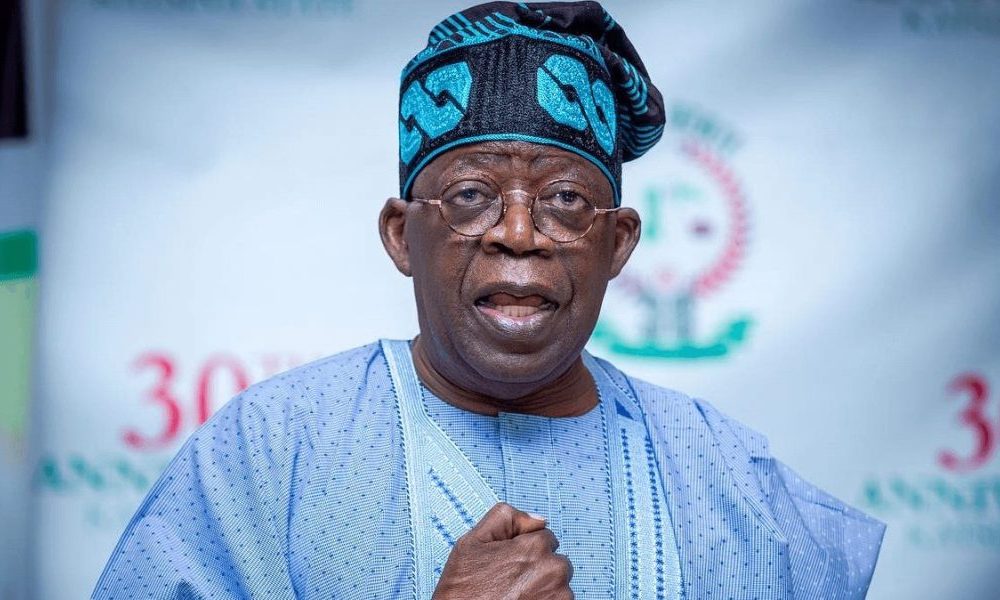
Tinubu's UK State Visit: Driving £8bn Trade and Investment Growth
President Bola Tinubu's recent state visit to the United Kingdom, commencing on Wednesday, March 17, 2026, marked a pivotal moment in the enduring relationship between Nigeria and the UK. Far more than a ceremonial occasion, this historic visit, at the invitation of Their Majesties King Charles III and Queen Camilla, was meticulously engineered to invigorate diplomatic, economic, and cultural ties, with a clear focus on significantly boosting bilateral trade and investment. With current annual bilateral trade estimated at a robust £8 billion, the visit aimed to lay the groundwork for unprecedented growth, opening new avenues for cooperation across diverse sectors.
Arriving at London Stansted Airport with First Lady Senator Oluremi Tinubu, President Tinubu was warmly received, signaling the high regard in which this visit was held. The discussions and engagements planned for the two-day visit were designed to showcase the deep historical bond between the two nations while charting a course for a future defined by enhanced economic partnership and mutual prosperity. This tinubu uk state visit underscored a shared commitment to addressing global challenges and harnessing opportunities for collective advancement.
A Historic Diplomatic Milestone at Windsor Castle
The state visit carried immense symbolic weight, distinguishing President Tinubu as the fifth Nigerian leader to be honored with such a reception by the British Crown. Following in the footsteps of revered predecessors like Abubakar Tafawa Balewa, Yakubu Gowon, Shehu Shagari, and Ibrahim Babangida, Tinubu's visit nonetheless carved out its own unique place in history. While previous state visits unfolded at the iconic Buckingham Palace, President Tinubu became the first Nigerian leader to be hosted at the majestic Windsor Castle.
This shift in venue, as highlighted by presidential aides, symbolizes an evolution in the UK-Nigeria relationship. It moves beyond mere historical ties, which are undeniably strong, towards a deeper, more contemporary focus on diplomatic and economic cooperation. A state visit is the highest diplomatic honor a country can bestow, signifying not only mutual respect but also the strategic importance of the relationship. For Nigeria, this gesture reinforces its standing as a key player on the African continent and a vital partner for the UK. For the UK, hosting such a significant African leader underscores its commitment to fostering strong alliances globally, particularly with Commonwealth nations. It’s a powerful affirmation of the enduring bond and future potential, as further explored in Tinubu Makes History at Windsor: Fifth Nigerian Leader Honored by UK.
Reinforcing a Longstanding Partnership: Beyond Diplomacy to Development
The relationship between Nigeria and the United Kingdom, established since Nigeria's independence in 1960, has matured significantly over the decades. What began as a post-colonial connection has blossomed into a dynamic, multifaceted partnership spanning numerous sectors. Beyond the economic agenda, the tinubu uk state visit provided a crucial platform to reaffirm and expand cooperation in areas vital for both nations' development and security.
Education has long been a cornerstone, with countless Nigerian students and professionals seeking academic enrichment in the UK, fostering invaluable human capital exchange. Defence and security collaboration remain paramount, particularly in counter-terrorism training, intelligence sharing, and military capacity building. The UK’s support for Nigeria in these critical areas acknowledges Nigeria's pivotal role in regional stability and its ongoing fight against insurgency. Moreover, collaborations in technology, sports, and culture continue to thrive, enriching both societies and creating avenues for people-to-people connections. These diverse pillars of cooperation illustrate a holistic partnership, one that transcends mere diplomatic exchanges to embrace shared developmental goals and strategic alignment. The evolving nature of this relationship and its key takeaways are comprehensively discussed in Nigeria-UK Relations Evolve: Key Takeaways from Tinubu's State Visit.
Fueling Economic Growth: The £8bn Trade & Investment Nexus
At the heart of President Tinubu's visit was an ambitious agenda to supercharge the economic partnership between Nigeria and the UK. With bilateral trade already standing at an impressive £8 billion annually, both nations are keen to not just maintain, but significantly expand this figure. A cornerstone of this economic drive is the UK–Nigeria Enhanced Trade and Investment Partnership (ETIP), signed in 2024, which serves as a robust framework for future collaboration.
The ETIP is designed to dismantle barriers to commerce, streamline trade processes, and unlock new opportunities across a spectrum of high-growth sectors. These include, but are not limited to, agriculture, technology, renewable energy, fintech, manufacturing, retail, and the burgeoning creative economy. The strategic intent is clear: to foster a more conducive environment for private sector investment, thereby stimulating job creation and providing crucial support for Nigeria’s ambitious economic reform agenda.
Unlocking Investment Potential: Opportunities for Growth
Nigeria's vast market, youthful demographic, and abundant natural resources present compelling opportunities for UK investors. The country's ongoing economic reforms, aimed at improving the ease of doing business, are making it an increasingly attractive destination. For UK businesses looking to expand, the tinubu uk state visit signals a reinforced commitment to stability and partnership.
- Agriculture: Opportunities abound in value chain development, from modern farming techniques and irrigation systems to food processing and export-oriented agriculture. Investment in cold chain logistics, for instance, could drastically reduce post-harvest losses and open up new markets.
- Technology & Fintech: Nigeria boasts a vibrant tech ecosystem, particularly in fintech, with a young, digitally savvy population. UK investors can tap into this innovation hub through venture capital, partnerships with local startups, or establishing R&D centers. Areas like AI, cybersecurity, and e-commerce infrastructure are ripe for investment.
- Renewable Energy: With vast solar, hydro, and wind potential, Nigeria is a prime market for renewable energy solutions. Investment in off-grid solutions, large-scale solar farms, and green hydrogen projects can address energy deficits while contributing to global sustainability goals.
- Manufacturing & Retail: As Nigeria's middle class expands, so does demand for locally produced goods. Investment in manufacturing capacity, particularly in consumer goods and light industries, coupled with modern retail infrastructure, offers significant returns.
For Nigerian businesses, leveraging this partnership means focusing on global standards, quality assurance, and understanding the specific demands of the UK market. Seeking joint ventures, technology transfer agreements, and participating in trade missions facilitated by the ETIP can open doors to new capital, expertise, and market access.
The Creative Economy and Future Growth Sectors
The creative industry, often referred to as a "soft power" asset, was specifically highlighted during the tinubu uk state visit as a sector with immense potential for growth and investment. Nigeria's globally recognized Nollywood, its booming music industry, vibrant fashion scene, and diverse cultural arts represent significant economic opportunities. UK expertise in media production, distribution, intellectual property management, and creative infrastructure can help elevate these industries, expand their global reach, and create substantial employment for Nigeria's youth.
Beyond creativity, the visit also emphasized the transformative potential of sectors like renewable energy and fintech. These are not merely buzzwords but represent critical areas for sustainable development and economic diversification. For instance, the UK's leadership in green finance and renewable energy technologies can find fertile ground in Nigeria's urgent need for sustainable power solutions, driving energy independence and reducing carbon footprint. Similarly, the rapid adoption of digital banking and mobile payment solutions in Nigeria makes it an ideal environment for further fintech innovation and investment, fostering financial inclusion and economic efficiency. The synergy between UK experience and Nigerian potential in these areas promises a future of innovation and shared prosperity.
Conclusion
President Bola Tinubu's state visit to the UK has undeniably cemented a new chapter in the enduring relationship between Nigeria and the United Kingdom. More than just a ceremonial exchange, it was a strategic diplomatic and economic endeavor designed to unlock significant growth, driving bilateral trade and investment well beyond the current £8 billion mark. The historic hosting at Windsor Castle, coupled with the robust framework of the Enhanced Trade and Investment Partnership, underscores a mutual commitment to deeper cooperation across vital sectors—from security and education to the dynamic fields of technology, renewable energy, and the creative economy. This visit was a powerful affirmation of the strategic importance of Nigeria to the UK and vice-versa, setting a clear trajectory for a future defined by shared prosperity, innovation, and a strengthened partnership that benefits both nations and their citizens.